
Certified Mold Inspection & Remediation in Greater LA
IICRC S520-compliant mold inspection, containment, removal, and post-remediation verification for homes and commercial buildings.
Have you ever noticed a strange, musty smell in your home and felt a sudden wave of panic?
Finding a dark patch on your drywall is terrifying for any homeowner. We understand exactly how stressful that discovery is for your family.
This issue goes far beyond a simple cosmetic problem. Recent 2026 data from RubyHome shows that nearly 47% of U.S. residential buildings experience visible mold or detectable odors.
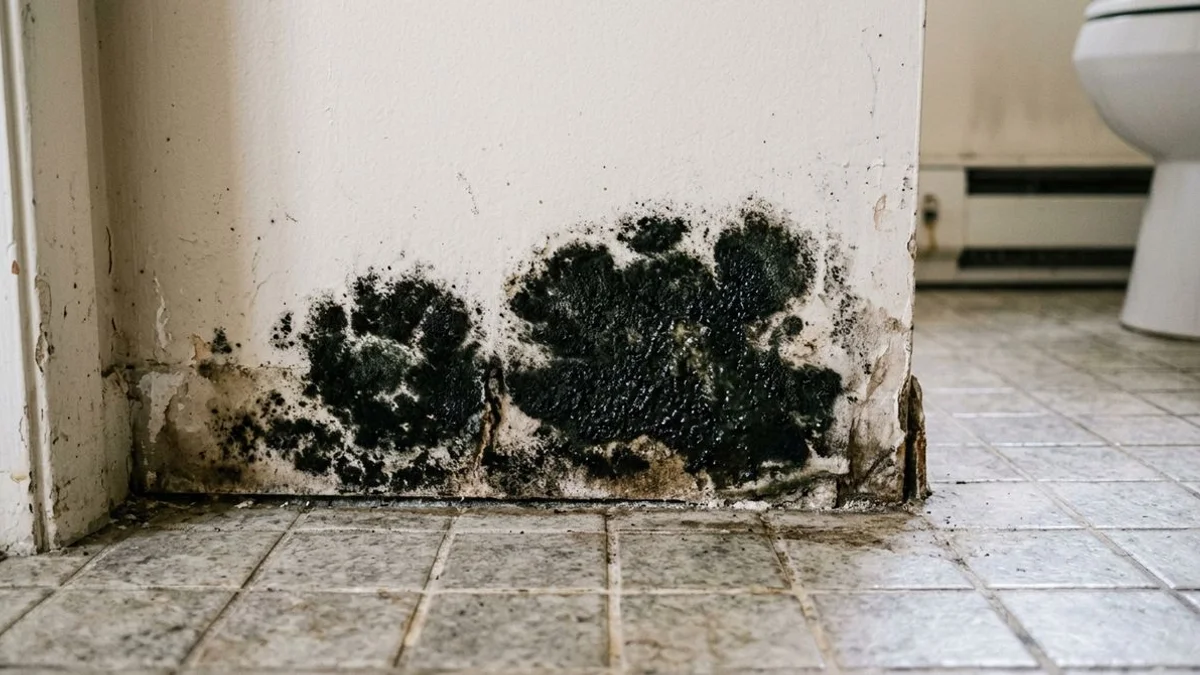
Species like Stachybotrys chartarum (toxic black mold) release mycotoxins that trigger severe respiratory symptoms, headaches, and worse. If you’re not sure what you’re seeing, our visual reference on the signs of toxic black mold walks through how to tell Stachybotrys apart from harmless mildew. Removing this hazard can actually reduce asthma symptoms by 25% to 45%, which makes professional mold remediation incredibly important for your health.
Why Mold in a Los Angeles Home Needs Professional Remediation
Our IICRC-certified mold technicians strictly follow the newly updated ANSI/IICRC S520-2024 standards from the initial inspection through the final verification testing. The Greater LA climate creates very specific challenges for property owners.
Southern California weather patterns create distinct moisture problems, including:
- 1970s Tract Homes: Poor attic ventilation traps heat and moisture.
- Atmospheric Rivers: Heavy seasonal rains expose hidden roof leaks.
- Slab Foundations: Slow water line leaks wick into walls unnoticed for months.
- Mediterranean Climate: Hot and cold cycles lead to extreme HVAC condensation.
Each of these unique situations requires a targeted, science-based containment strategy to keep your property safe.
Our IICRC S520 Mold Remediation Approach
The recently updated 2024 S520 standard places a massive emphasis on physical source removal rather than simply spraying chemicals over a problem. Our team follows this mandate to the letter.
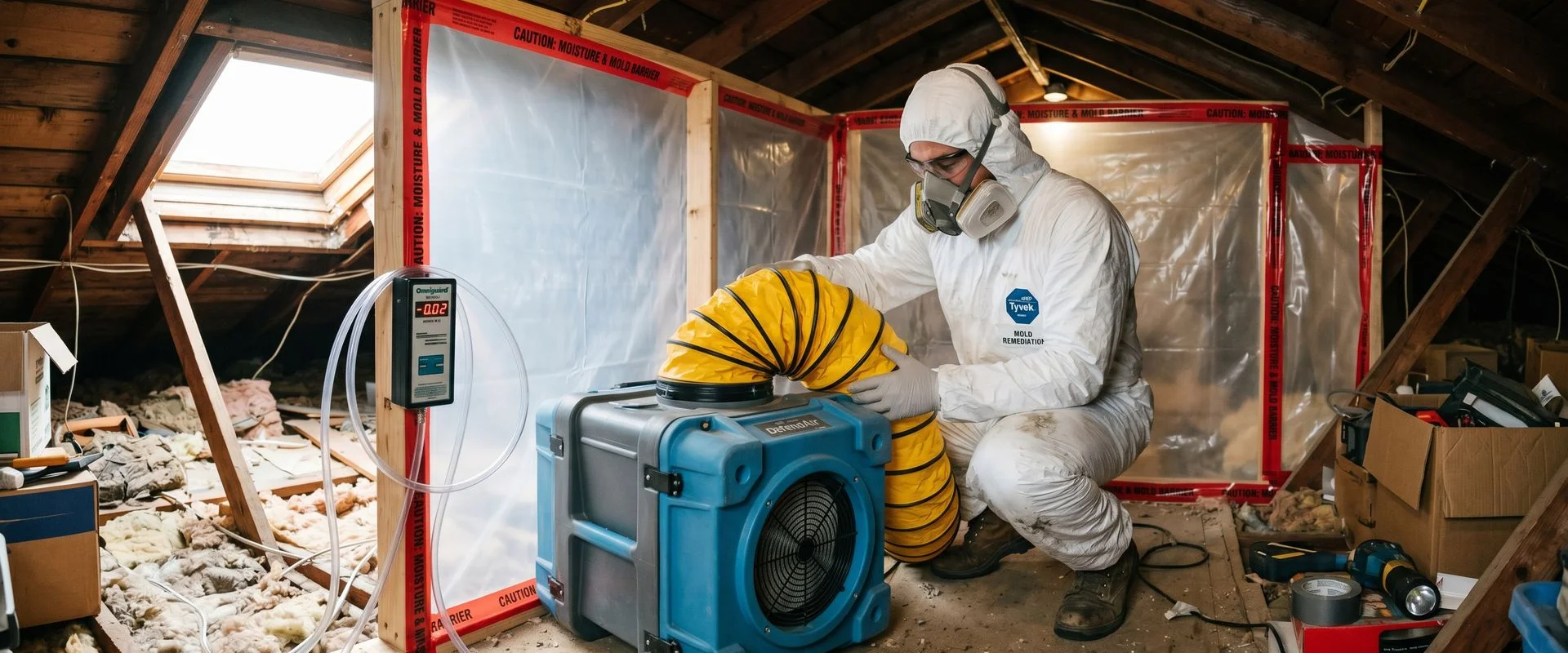
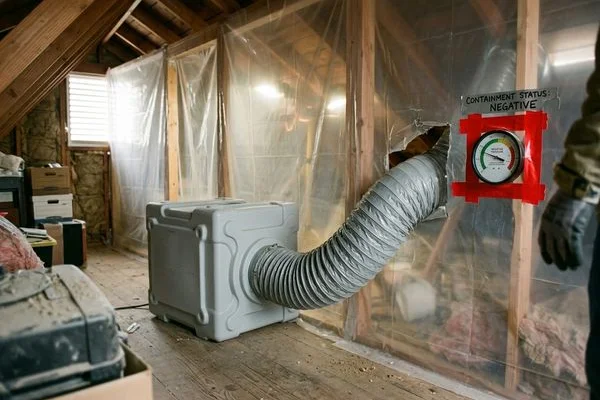
Every single job starts with setting up 6-mil polyethylene containment barriers to isolate the affected area. High-efficiency HEPA air scrubbers then run under negative air pressure to ensure no loose spores float into your clean living spaces.
Instead of relying on harsh synthetic chemicals, we utilize advanced EPA-registered botanical antimicrobials like Benefect Decon 30. This specific thyme-oil formula safely eliminates bacteria and viruses in just 30 seconds without leaving harmful fumes behind.
Fixing the Root Cause First
The goal is always twofold. First, safely eliminate the fungal growth, and second, find the moisture source that fed it.
If an inspection reveals a water-driven cause behind the damage, such as a slow pipe drip or a roof penetration, we coordinate immediately with the water damage restoration side of the team to fix the root cause. Removing the fungus without repairing the leak is a 100% guarantee that the problem will return.
Moisture control is the foundation of any successful project. You can scrub a wall perfectly clean, but it will turn green again in a week if the drywall stays damp.
Common Mold Problems in Greater Los Angeles Homes
Certain areas of your house are practically magnets for moisture and fungal growth. We see specific patterns every day while serving neighborhoods across the city.
Here are the most frequent trouble spots you should check right now:
- Attic Mold: Poor ventilation combined with roof leaks makes this one of our most frequent calls in the San Fernando Valley.
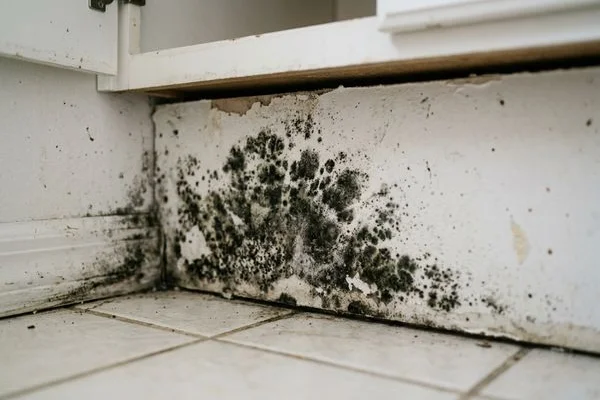
- Bathroom and Kitchen Cabinets: Long-term humidity and slow plumbing leaks behind vanities create the perfect breeding ground.
- Crawlspaces: Hillside runoff and slab leaks frequently cause massive issues in older, historic estate homes.
- HVAC Contamination: Condensate line failures often lead to Aspergillus growth directly on your cooling coils and inside air ducts.
- Hidden Wall Cavities: Slow supply line drips usually present as yellow or brown drywall staining before the fuzzy spots appear.
The Financial Impact of Ignoring Leaks
Catching these issues early saves you a significant amount of money. Recent 2026 data from Angi reveals that a basic pipe leak repair might only cost $150 to $600 in Los Angeles.
If that same leak goes ignored and turns into a fungal infestation, the average cost of professional remediation jumps to $2,300. Our technicians highly recommend checking under your sinks and around your HVAC unit at least once a month.
A fast visual inspection only takes five minutes, but it protects your family’s health and your wallet.
Post-Remediation Verification (PRV): Independent Clearance Testing
Every single job ends with independent, third-party clearance testing. We include this crucial step in every initial estimate to ensure complete transparency.
An environmental hygienist who is completely unaffiliated with our company collects air and surface samples after the cleanup. They verify that the indoor environment has successfully returned to “Condition 1,” which is the industry term for normal fungal ecology.
Section 9.3 of the ANSI/IICRC S520 standard officially outlines this Post-Remediation Verification (PRV) process. This independent sign-off is the absolute gold standard for insurance companies, real estate transactions, and your peace of mind.
Why a Simple Look Isn’t Enough
You might wonder why formal lab testing is necessary if the wall looks clean. Here is a quick breakdown of the difference:
| Verification Method | What It Detects | Reliability for Insurance |
|---|---|---|
| Basic Visual Inspection | Only visible surface growth and obvious water stains. | Low. Usually not accepted for final claim payouts. |
| PRV Air Quality Testing | Microscopic airborne spores and hidden mycotoxins. | High. Required by carriers before closing a claim. |
Most California insurance carriers require a passed PRV report before paying out the final claim amounts. Most home sale inspections also demand it before closing escrow.
Our team refuses to cut corners, so we coordinate this independent testing for you to guarantee the job is done right.
Mold Remediation Insurance Billing in California
Dealing with property damage is stressful enough without having to fight your insurance provider. Our billing specialists handle the heavy lifting for you.
California actually has specific regulatory minimums that require insurers to offer at least $5,000 in mold coverage through optional riders. Many standard homeowner policies now include these endorsements, offering limits anywhere from $5,000 to $50,000.
However, this coverage usually only applies if a “sudden and accidental” covered water event caused the growth, like a burst pipe or a sudden storm leak. We carefully document the damage, take extensive photos, and build your estimate using Xactimate, the exact pricing software that adjusters use.
Understanding Your Payment Options
Once the claim is approved, we bill the carrier directly. You typically only have to cover your standard deductible.
If the damage stems from something insurance categorizes as “deferred maintenance,” such as a long-term shower leak or high bathroom humidity, the project becomes a private-pay situation. Insurance companies expect homeowners to perform routine upkeep, so they rarely cover gradual decay.
Our project managers provide detailed, written estimates upfront no matter the cause, so you know exactly what to expect.
Taking the Next Step for a Safe Home
Living with poor indoor air quality is simply not worth the risk.
We want to help you breathe easier and enjoy your living space again. Whether you need a full-scale mold remediation project or just a professional inspection to find a hidden leak, prompt action is your best defense.
A small spot on the ceiling can turn into a major structural problem if ignored. Give us a call today to schedule your comprehensive property assessment, and we will walk you through every single step of the process to get your home back to normal.
How we handle mold
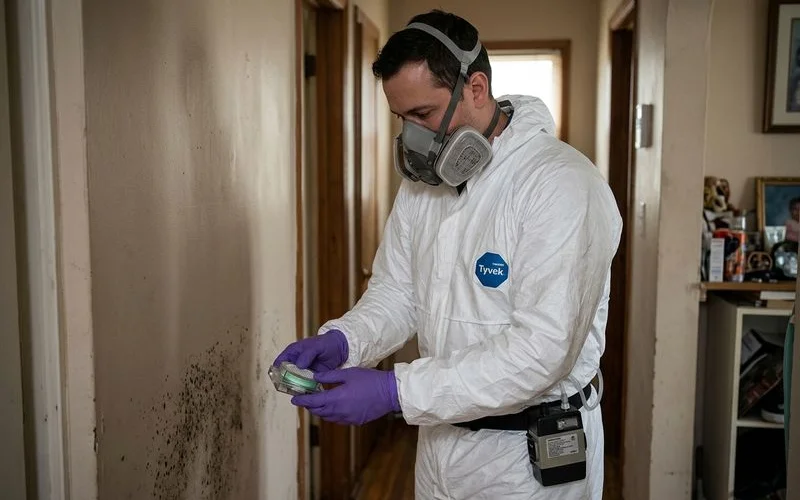
Inspection + Sampling
Visual inspection plus spore-trap sampling sent to an accredited lab. Reading 24–48 hours.
Containment Setup
6-mil polyethylene barriers with negative air pressure. HEPA air scrubbers run throughout the work.
Removal + Cleaning
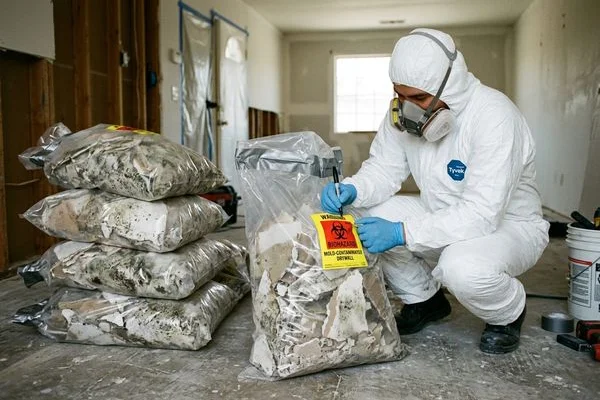
Affected porous materials removed and bagged for compliant disposal. EPA-registered antimicrobials applied to remaining surfaces.
Post-Remediation Verification
Independent third-party clearance testing confirms the area returns to normal fungal ecology before we close out.
Recent mold work
Water still rising? Mold spreading?
Call now — we dispatch immediately and bill your insurance directly. 24/7/365 across Greater LA and the San Fernando Valley.
Mold FAQ
Is all dark mold toxic black mold?
Are home test kits accurate?
Will insurance cover mold remediation?
Do I need to leave my home during remediation?
Mold guides
In-depth guides on mold — written by our IICRC-certified team.
More from our team
Asbestos Testing
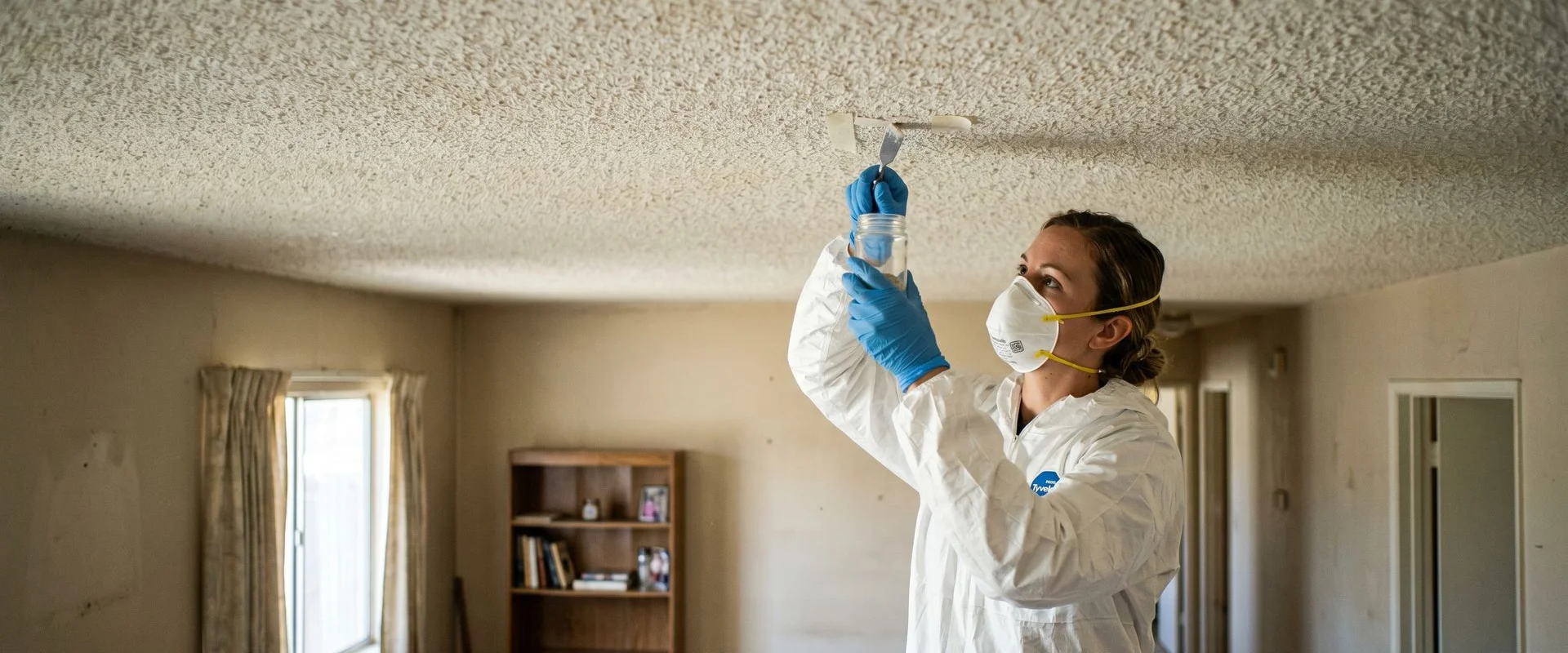
Asbestos sampling and testing before restoration of pre-1980 LA homes — popcorn ceilings, vinyl tile, pipe wrap, and roofing materials.
Water Damage Restoration
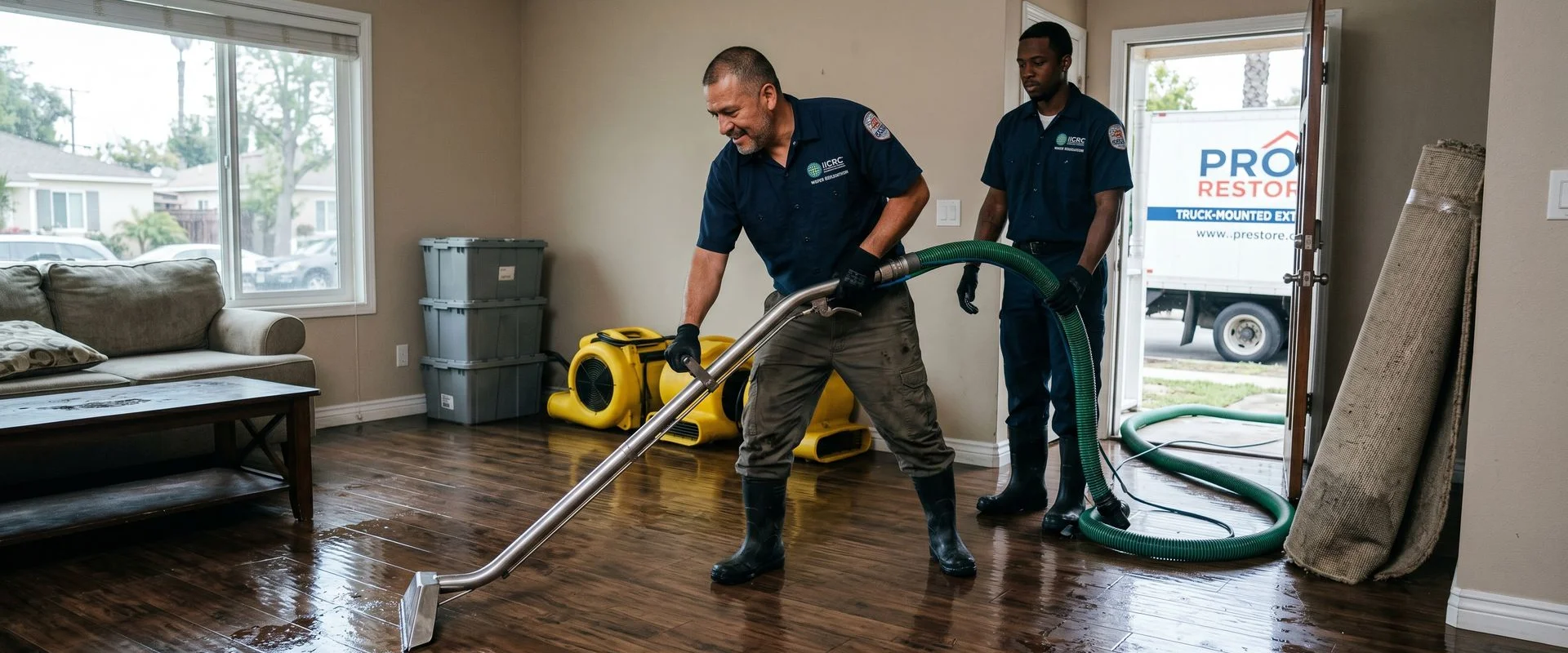
24/7 water extraction, structural drying, and full restoration after burst pipes, slab leaks, appliance overflows, and storm flooding.