24/7 Water Damage Restoration Across Greater Los Angeles
24/7 water extraction, structural drying, and full restoration after burst pipes, slab leaks, appliance overflows, and storm flooding.
Have you ever walked into a room and heard the dreaded sound of squishing wet carpet?
It is a sinking feeling that no homeowner wants to experience.
Water damage restoration requires immediate action to protect your home.
We are going to walk you through the exact steps our team uses to rescue flooded properties.
Grab a cup of coffee, and let’s go through this process together.
What “water damage restoration” actually involves
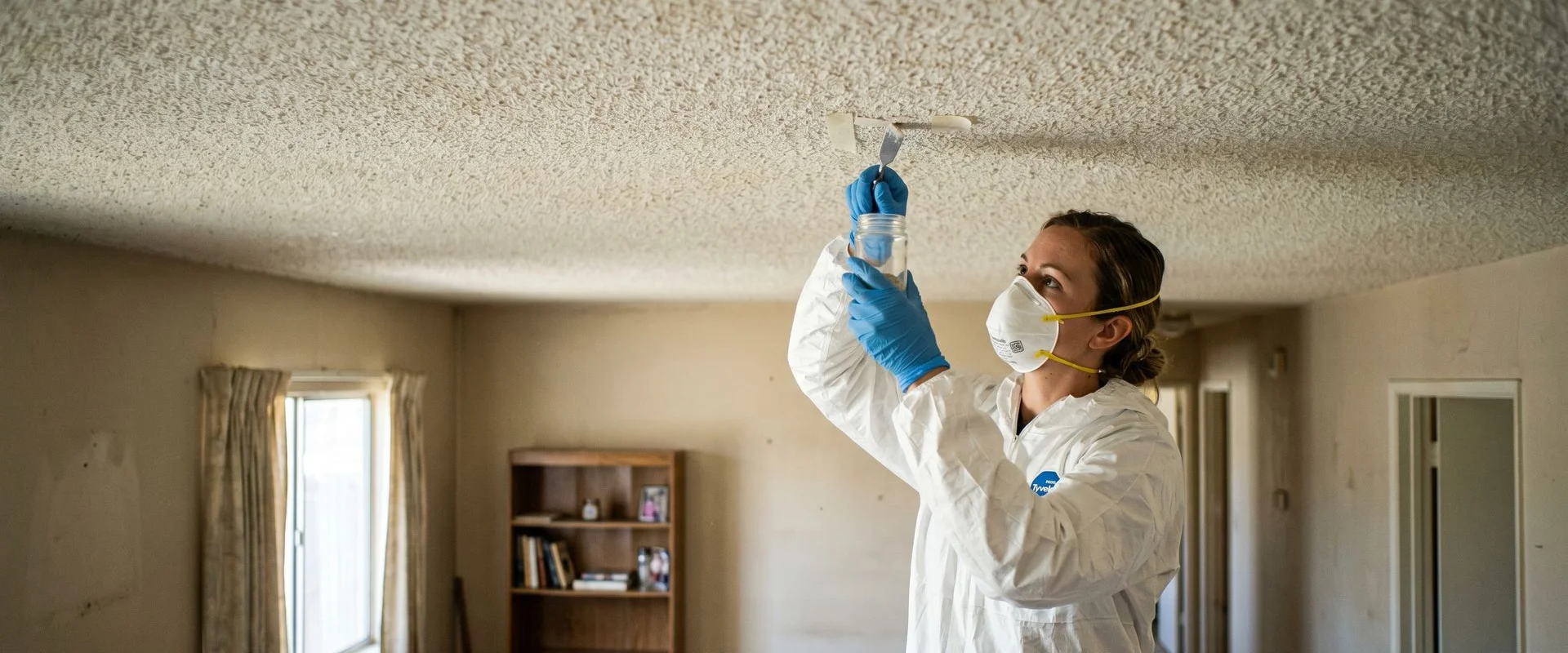
When water hits your floors or walls, the clock starts ticking loudly. Category 1 clean water can shift to dangerous Category 2 or 3 within just 24 to 48 hours. Mold also begins growing within that same 48-hour window, especially in Southern California’s warm climate.
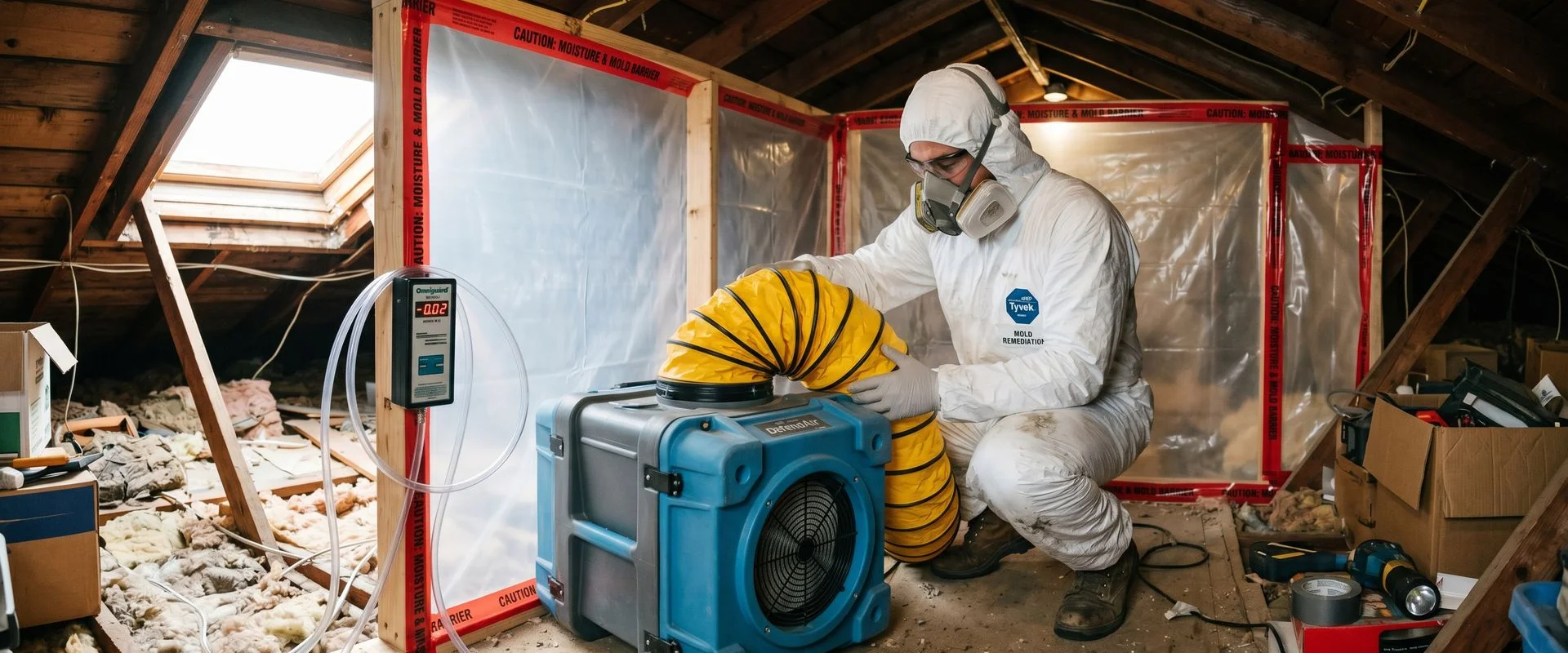
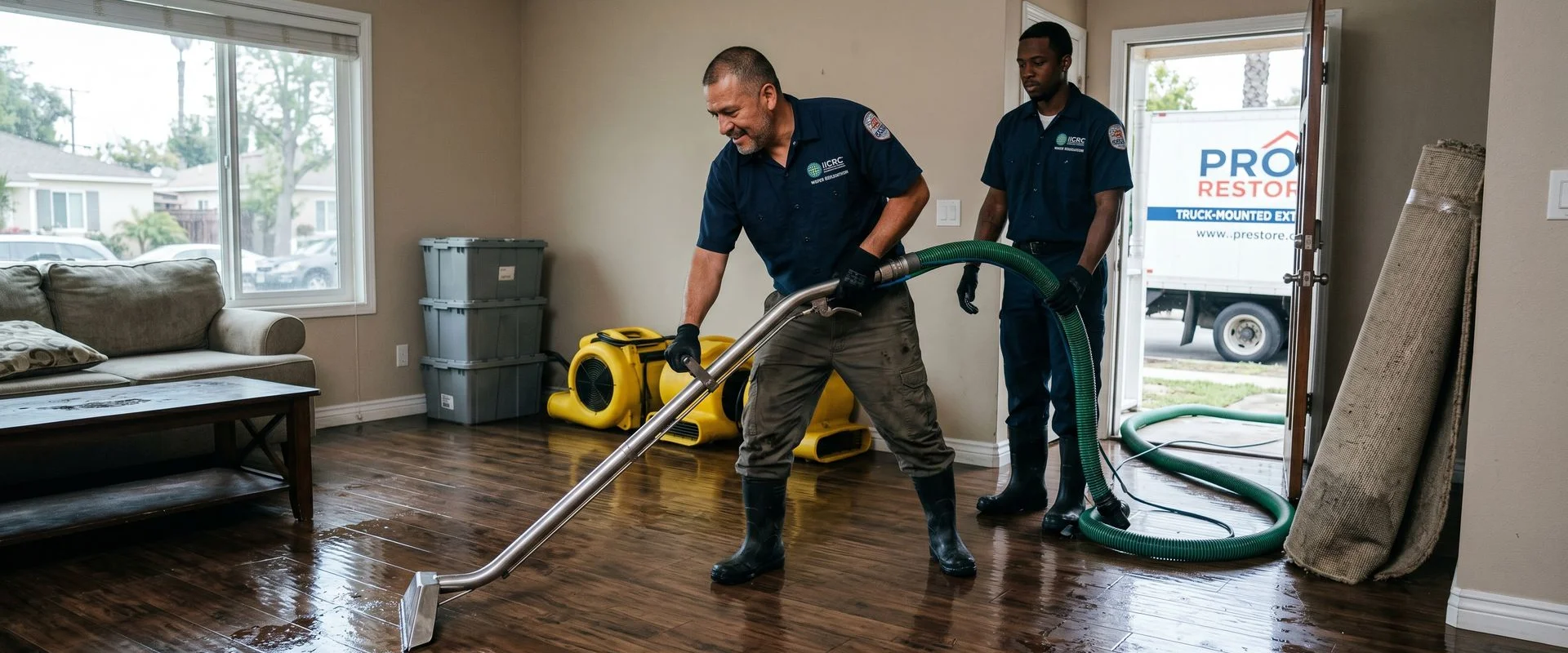
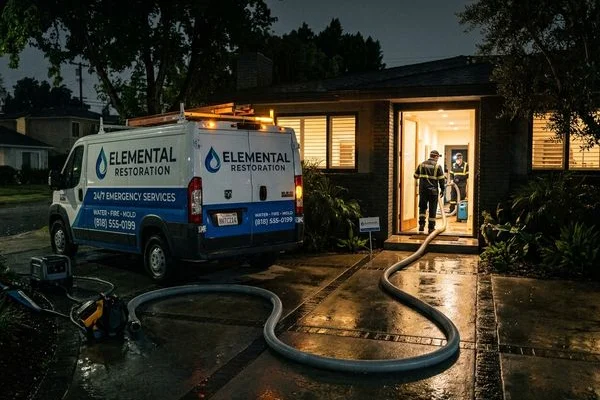
Our IICRC-certified crews arrive across Greater LA and the San Fernando Valley in 45 minutes or less to stop the spread. Fast arrival prevents water from ruining your structural framing. We use truck-mounted extraction units, powerful LGR dehumidifiers, and centrifugal air movers to pull moisture out of the air.
This rapid response can drastically reduce your repair costs. Recent California insurance data shows the average water damage payout sits between $11,605 and $13,954. Our daily moisture readings and thermal imaging maps help keep those damages on the lower end by finding hidden water fast. Strict adherence to IICRC S500 standards guides our process from the initial assessment through the final structural drying phase — the step-by-step water damage restoration process page explains every step in detail.
Handling both the cleanup and the rebuild makes your life much easier. Because we hold a CSLB B general-building license, you get to skip the headache of hiring a separate construction team. This single-team approach saves you from negotiating a second insurance scope.
The True Cost of Waiting
Delaying action by even a few hours allows water to warp wood and ruin drywall. You will likely face a much larger reconstruction bill if the water sits overnight. We often see homeowners save thousands of dollars simply by calling a professional within the first hour of a leak.
Here is what happens during those critical first 48 hours:
- 0-1 Hour: Water spreads rapidly through flooring and wicks up the drywall.
- 1-24 Hours: Wooden furniture swells, and metal surfaces begin to tarnish.
- 24-48 Hours: Mold spores activate, turning a simple cleanup into a major remediation project.
Water Damage Types We Restore Across Greater Los Angeles
The most common Greater LA water-damage scenarios require specific, targeted drying strategies. Our team diagnoses the exact source of the moisture first before deploying any equipment. You will see a variety of challenges depending on where you live in the city.
For example, older Hollywood and Mid-City neighborhoods with 1920s to 1940s infrastructure face unique plumbing issues. We frequently answer calls in zip codes like 90004 and 90019 for severe copper pinhole leaks. The age of these supply lines makes them incredibly prone to bursting during pressure spikes.
Atmospheric rivers are another major culprit for property damage in our region. Record-breaking storms in February 2024 and late 2025 dumped over 13 inches of rain on hillside communities like Bel Air in just a few days. Our emergency crews stay on high alert during these intense winter weather events. Quick deployments keep these natural disasters from completely destroying a home.
Common Restoration Scenarios
Different disasters require completely different recovery plans. We tackle a wide range of emergency situations across the basin and the Valley. These are the most frequent culprits behind flooded living spaces:
- Burst pipes: Older Valley homes often experience sudden supply-line failures and copper pinhole leaks.
- Slab leaks: Unseen leaks under your foundation surface as warm spots on the floor or a sudden spike in your monthly water bill.
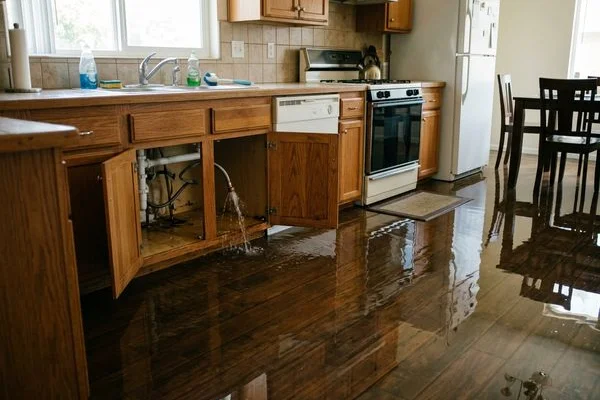
- Appliance overflows: Washing machine hoses, dishwasher lines, and aging water heater tanks eventually fail.
- Roof leaks: Intense atmospheric rivers overwhelm older roofing systems, particularly in steep hillside neighborhoods.
- Storm flooding: Heavy runoff and groundwater intrusion easily flood low-lying areas and basins.
- Sewage backups: Main-line blockages push highly contaminated Category 3 black water directly into your home.
Each specific scenario dictates how we set up our commercial drying equipment. A sewage backup requires heavy sanitization, while a clean pipe burst focuses purely on rapid evaporation. Our experts adapt the plan to fit your exact situation. Customizing the approach guarantees the fastest possible drying time.
How structural drying works
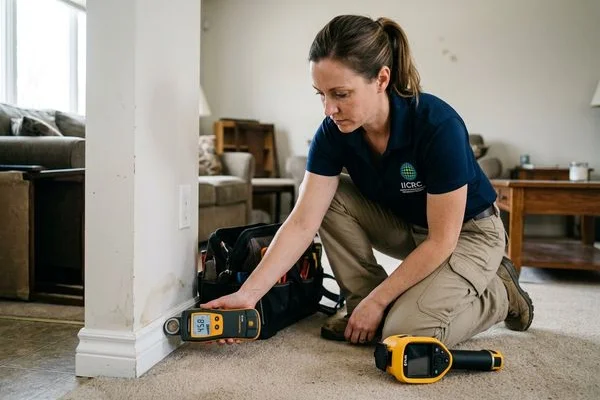
Drying a home is a highly scientific process, not just a matter of opening windows and waiting. Our technicians measure the moisture content, or MC, in your building materials every single day. Specialized pin and pinless meters give us a complete picture of the dampness inside your walls. The goal is to reach below 16% MC for wood and stay within 1% of the local equilibrium for drywall, exactly as outlined by the IICRC S500 standard.
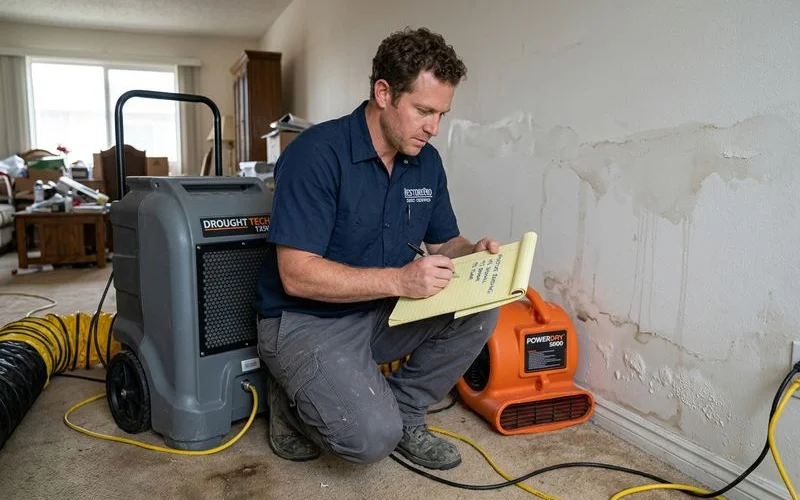
Advanced equipment helps us hit those precise targets quickly. Low grain refrigerant, or LGR, dehumidifiers handle the heavy lifting by pulling humid air below 55 grains per pound. This extreme dry air forces damp materials to release their trapped water vapor much faster. Our centrifugal air movers run constantly alongside the dehumidifiers to keep a steady breeze across all wet surfaces.
You can trust that the site data is logged carefully for your insurance claim. We document these readings daily and never remove our drying equipment until the structure is completely verified dry. Patience during this step prevents mold from returning later.
Pin vs. Pinless Moisture Meters
Finding hidden water requires the right mix of technology and experience. Our toolkits include both pin and pinless meters to thoroughly inspect your property. These devices allow the crew to map the exact boundaries of the damage without tearing down unnecessary walls.
A pinless meter, like the Tramex MEX5, uses electromagnetic waves to scan up to an inch behind a surface. This non-destructive tool is perfect for quickly sweeping a large living room to find hidden damp spots. Our technicians then follow up with a pin-type meter, such as the FLIR MR55, to get highly accurate moisture percentages.
This pin device measures the actual electrical resistance between two metal probes inserted into the wood. Water conducts electricity, so a lower resistance number tells the operator precisely how wet the framing really is. We use both tools to create a foolproof drying strategy.
| Feature | Pinless Moisture Meters | Pin-Type Moisture Meters |
|---|---|---|
| How it Works | Uses electromagnetic radio frequencies to scan surfaces. | Measures electrical resistance between two physical probes. |
| Surface Damage | Zero damage. Perfect for finished drywall and hardwood floors. | Leaves two tiny pinholes in the material being tested. |
| Best Use Case | Quickly finding hidden leaks across large, finished areas. | Getting exact moisture percentages in raw wood and framing. |
Direct Insurance Billing: What That Means for You
Most homeowners facing this issue have never filed a major property-loss claim before today. The financial and insurance side of restoration feels like a completely separate, overwhelming job. We handle this complicated paperwork so you can focus on getting your life back to normal. Taking this burden off your shoulders is a core part of the service.
Did you know that water damage makes up about 27% of all homeowners insurance claims in California? Insurance adjusters process thousands of these files, and they look for very specific industry terminology. Our team writes your entire project scope using Xactimate, which is the exact pricing software the insurance carriers use.
This precise documentation prevents the insurance company from pushing back on legitimate repair costs. According to the Institute of Inspection, Cleaning and Restoration Certification, properly documented claims often receive 35% higher settlements than those filed by homeowners alone. We make sure nothing gets left off the table during the adjustment phase.
Our Stress-Free Billing Process
Dealing with a flooded house is hard enough without arguing over line items. We take over the communication with your adjuster to ensure a smooth, fair process. Your only typical out-of-pocket expense is your standard deductible.
- We document everything. Your file will include hundreds of photos, thermal images, daily moisture logs, and equipment placement maps.
- We write the Xactimate scope. The adjuster receives the pricing data in their own preferred language.
- We talk to your adjuster. You get to skip the frustrating negotiations over drying times and material costs.
- We bill the carrier directly. The funds go straight to the restoration work, saving you from floating massive credit card bills.
This comprehensive approach is exactly what it means to handle the hard parts. You should never have to become a property-loss expert just because a pipe failed in your kitchen.
Full Reconstruction Under One CSLB License
After the initial mitigation comes the critical rebuild phase to restore your property. This stage involves hanging new drywall, installing fresh flooring, painting, and sometimes extensive finish carpentry. Many restoration companies simply pack up their fans and hand you off to a completely separate general contractor.
This handoff usually triggers a second insurance scope, a brand new negotiation, and weeks of unnecessary delays. Our CSLB B General Building Contractor license completely eliminates that frustrating gap in service. You get to keep the same trusted crew working under one unified contract.
Keeping everything in-house shaves weeks off your total project timeline. We manage the entire schedule from the first water extraction to the final coat of paint. This smooth transition provides incredible peace of mind during a chaotic time.
Why a Single Contractor Matters
Older homes in Los Angeles often require mandatory code updates when walls are opened up for repairs. You might need to bring old electrical wiring or plumbing up to current 2026 city standards. Our licensed construction team handles these legal compliance issues without needing to subcontract the work.
We coordinate all the moving parts so you do not have to play project manager. Your dedicated project leader schedules the entire process for you:
- Permitting: Pulling the correct city permits for structural changes.
- Trades: Scheduling local plumbers, electricians, and carpenters.
- Finishes: Installing your brand new flooring, drywall, and paint.
Your home gets put back together faster, and you can finally relax in your newly restored space.
Are you facing a sudden property emergency right now? Professional water damage restoration makes the difference between a quick recovery and a massive remodeling bill. Call our team today, and we will dispatch a crew to your door immediately to start the drying process.
How we handle water damage
Emergency Dispatch
You call. We dispatch a truck-mounted extraction crew within minutes — most Greater LA arrivals under 45 minutes.
Assessment + Cat Classification
IICRC inspector classifies water (Cat-1 clean, Cat-2 gray, Cat-3 black) and maps moisture with thermal imaging.
Extraction + Structural Drying
Standing water out, then LGR dehumidifiers and air movers run for 3–7 days. Daily moisture readings until target hit.
Reconstruction
Drywall, flooring, cabinetry, paint — completed under our CSLB B-license. One contract, one scope.
Recent water damage work
Water still rising? Mold spreading?
Call now — we dispatch immediately and bill your insurance directly. 24/7/365 across Greater LA and the San Fernando Valley.
Water Damage FAQ
How quickly does water damage become mold?
Will my homeowner's insurance cover this?
Do I have to leave my home during the work?
What's a Category 1, 2, or 3 water classification?
Water Damage guides
In-depth guides on water damage — written by our IICRC-certified team.
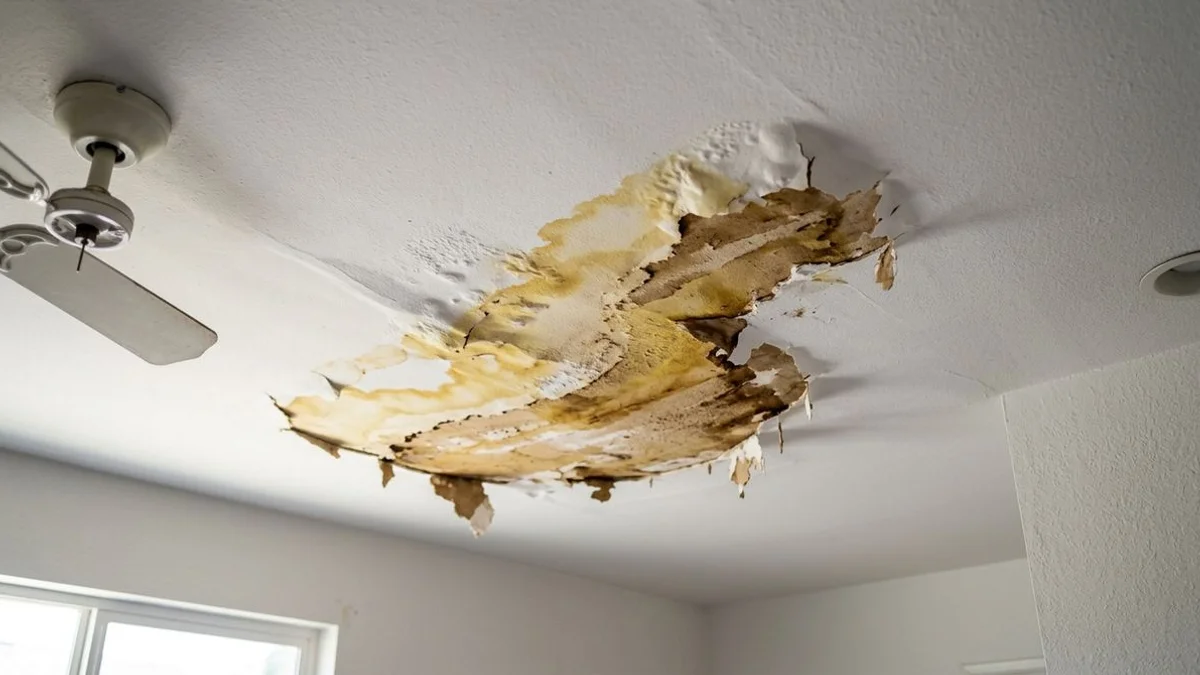
Signs of Hidden Water Damage in Your Los Angeles Home
Spot hidden water damage early — staining, musty smell, rising water bills, warped floors. Free LA inspection: 818-797-9517.
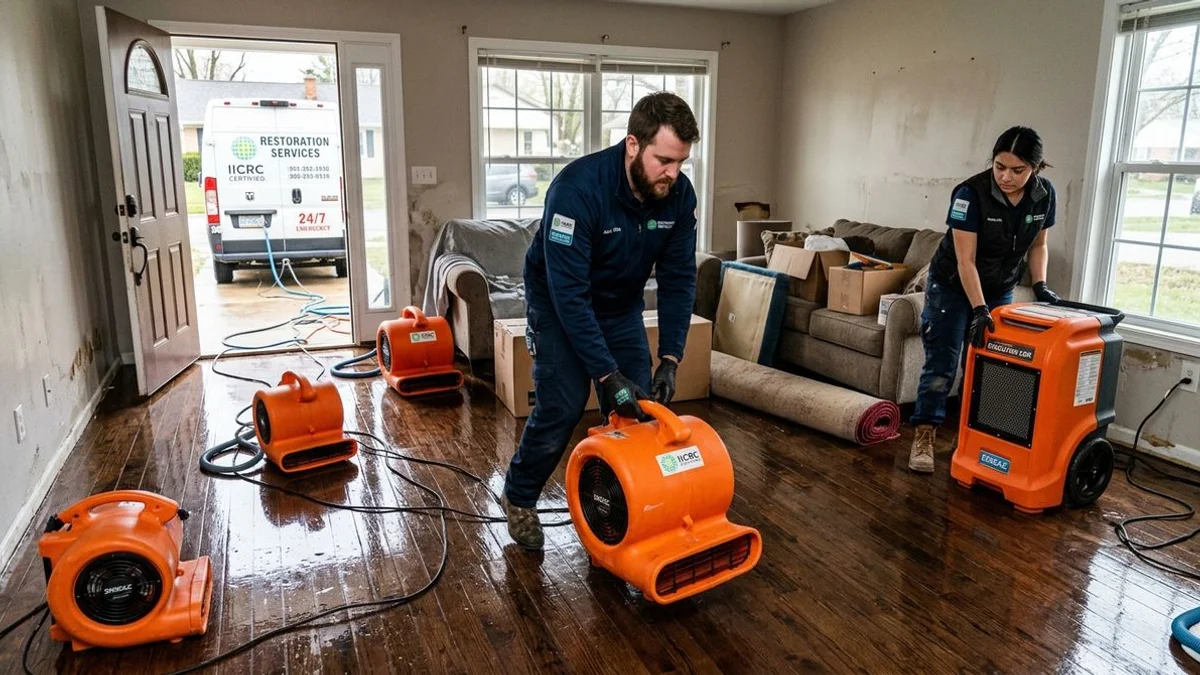
Water Damage Restoration: Our Step-by-Step Process
From assessment to drying to rebuild — our IICRC S500 process explained. Typical 3–7 day timeline. Greater LA: 818-797-9517.